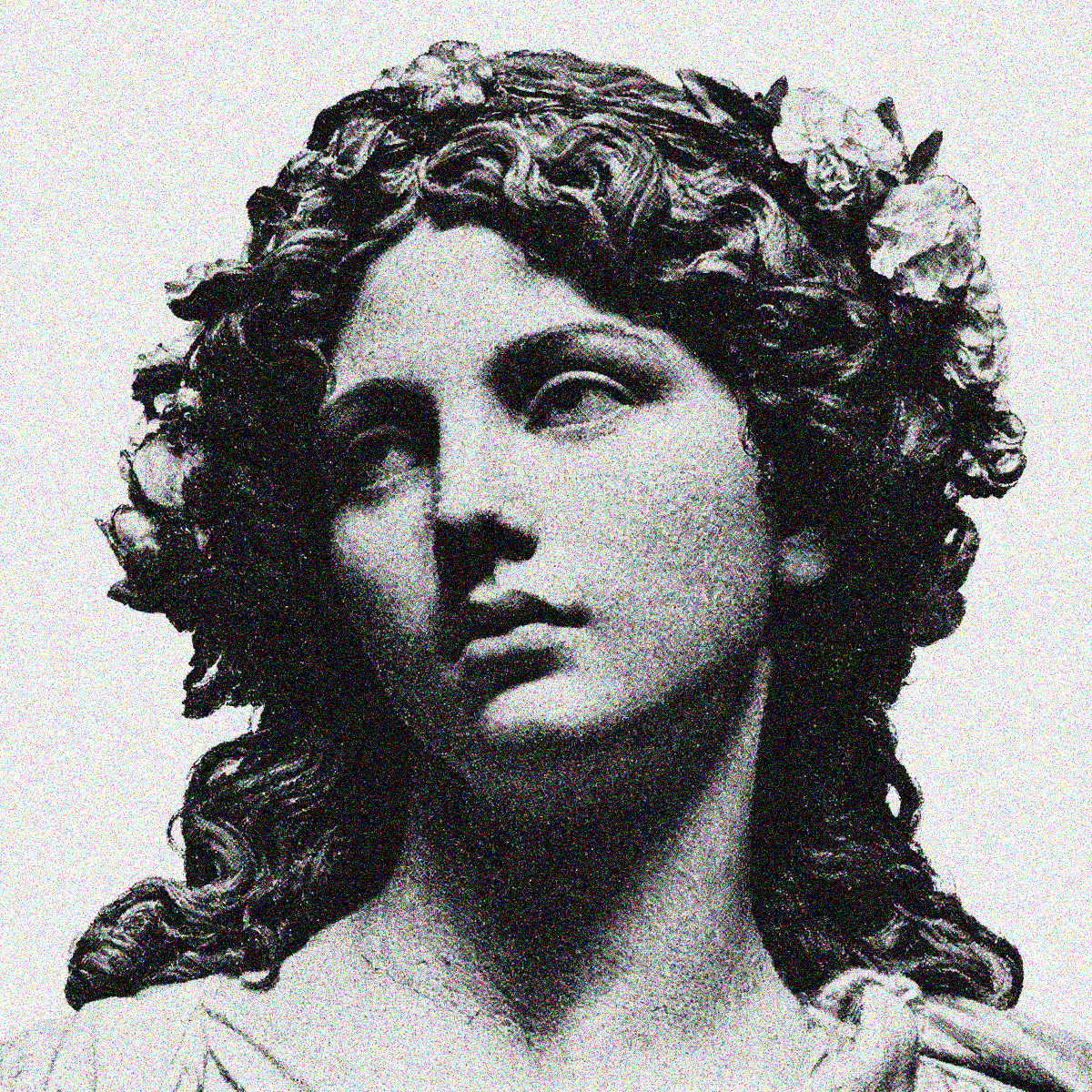
Posture is the disposition of a depicted body in space — the angle of the head, the bearing of the shoulders, the weight on one leg or both, the relation of limbs to torso.
To describe posture is to describe what the body is doing before it is doing anything: standing easy or braced, leaning back or pressed forward, turned to address the viewer or angled away. Classical figure-painting inherited a precise vocabulary for this — contrapposto names the relaxed standing pose with weight shifted to one leg, the hips and shoulders countering one another — but the broader description of posture applies to any depicted body, clothed or nude, animal or human. Posture reads first through silhouette and is then refined by contour and modelling. It is one of the most direct carriers of the body’s mood in the picture.
See also
- silhouette — what posture reads through first
- gesture — the related kinetic register, of motion rather than stance
- contour — the line that traces posture’s shape