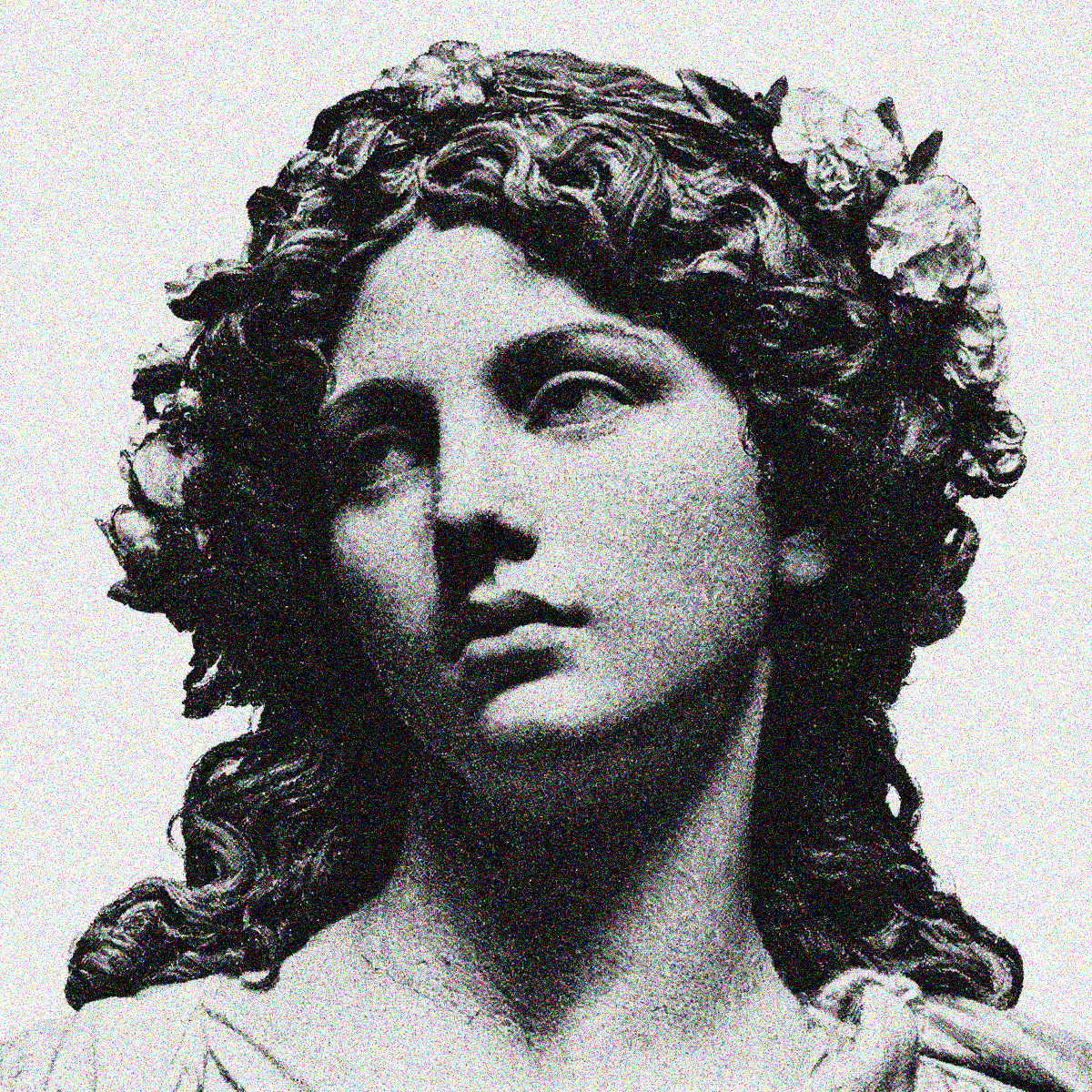
Baselitz’s signature formal device, inaugurated with Der Wald auf dem Kopf in 1969. By turning the representational motif upside down, the painter attempts to strip the image of easy narrative content and rhetorical meaning, forcing the viewer to confront pure painterly structure — color, gesture, form, composition — while still retaining figurative imagery.
The stated intent was to avoid both expressionist cliché and the burden of socialist realism’s narrative expectations. Critics have offered two readings: as radical formalist innovation (forcing attention to paint-as-paint) or as avoidance mechanism (a way to paint figuratively without the political responsibility that figuration carries in postwar Germany). Baselitz himself gave both explanations at different moments. The gambit persisted for decades and became his signature.
See also
- Georg Baselitz — the practitioner
- der-wald-auf-dem-kopf — the first inverted canvas, 1969
- formal-grammar — for the full taxonomy of formal rules