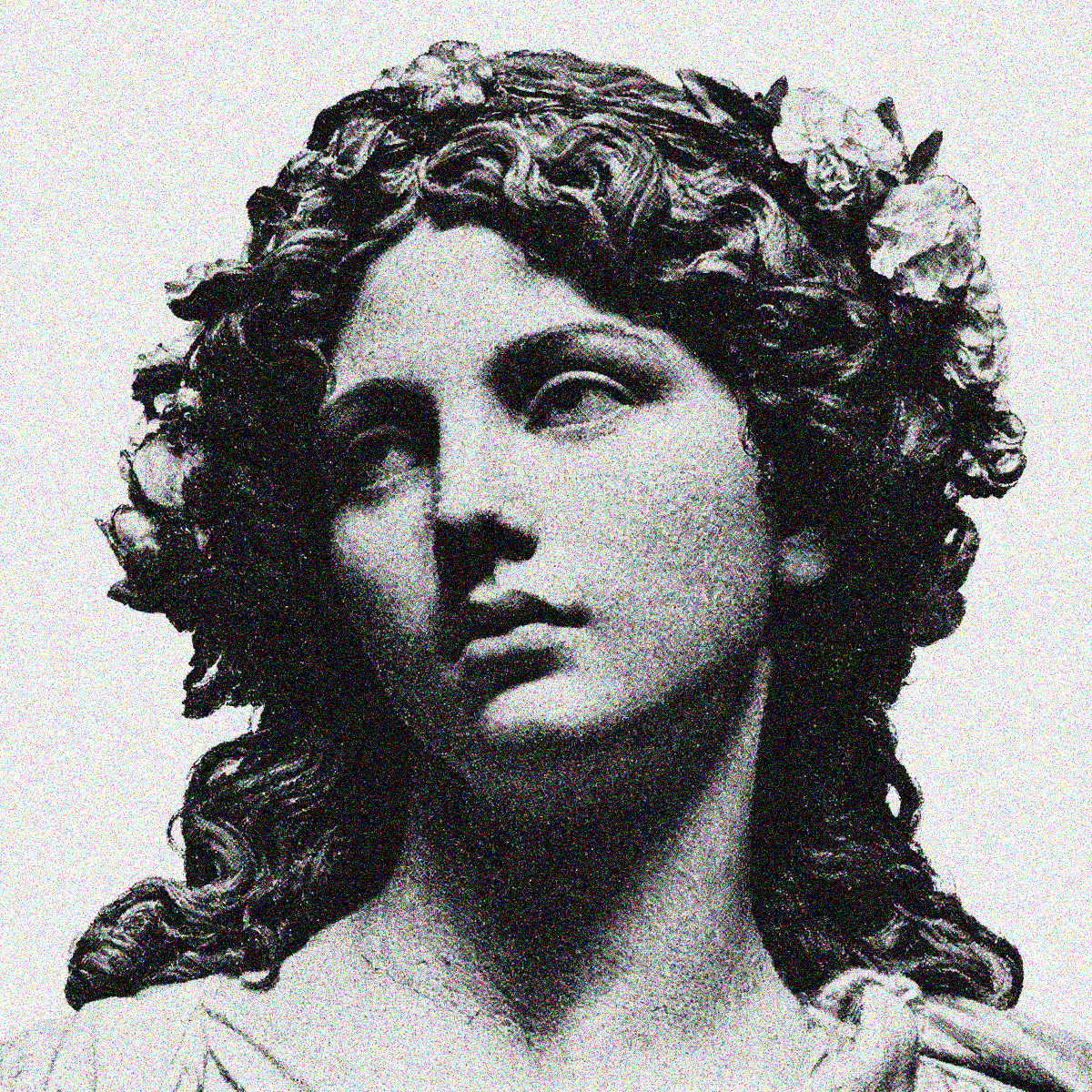
Italian Transavanguardia was coined and theorized by the critic Achille Bonito Oliva in 1980, in a manifesto published in Flash Art. It is the Mediterranean parallel to German Neo-Expressionism: a deliberate rejection of Arte Povera and Conceptualism in favor of a return to figurative painting, mythic narrative, and traditional media (oil, tempera, bronze, mosaic). Where the Germans chose Teutonic heaviness and historical guilt, the Italians chose Dionysian joy and cultural archaeology.
Named transfer: return to figurative painting, mythic narrative, and traditional media against 1970s conceptual orthodoxy. The core figures — Francesco Clemente, Enzo Cucchi, Sandro Chia, Mimmo Paladino, Nicola De Maria — share the German painters’ scale and aggression but replace German-historical guilt with Italian cultural archaeology. Bonito Oliva’s theoretical framing emphasized a “beyond the avant-garde” position: not reactionary, but transgressive in its very return to craft.
Clemente’s Indian-influenced tempera works and alchemical self-portraiture present the body as metaphysical map. Cucchi’s turbulent visionary landscapes, worked in graphite, charcoal, and oil, are the most violently gestural of the group — the closest Italian equivalent to Baselitz’s vehemence. Chia’s muscular classical figures in saturated color and monumental scale are the most directly comparable to German Neo-Expressionism in bravura handling. Paladino’s archaic masks and bronze heads engage Southern Italian classical and Etruscan roots. De Maria’s delicate floral imagery and pale palettes offer the group’s quietist counterweight.
Both movements were championed by the same international dealers and curators — Sperone Westwater, Mary Boone, Joachimides — and appeared alongside each other in “A New Spirit in Painting” (1981) and Documenta 7 (1982). The commercial and institutional infrastructure was shared; the cultural contents diverged sharply.
See also
- american-neo-expressionism — the New York branch
- neo-expressionism — the German center
- a-new-spirit-in-painting — the exhibition where both movements appeared
- documenta-7 — institutional ratification
- adjacent-aesthetics — the parent page with named transfers