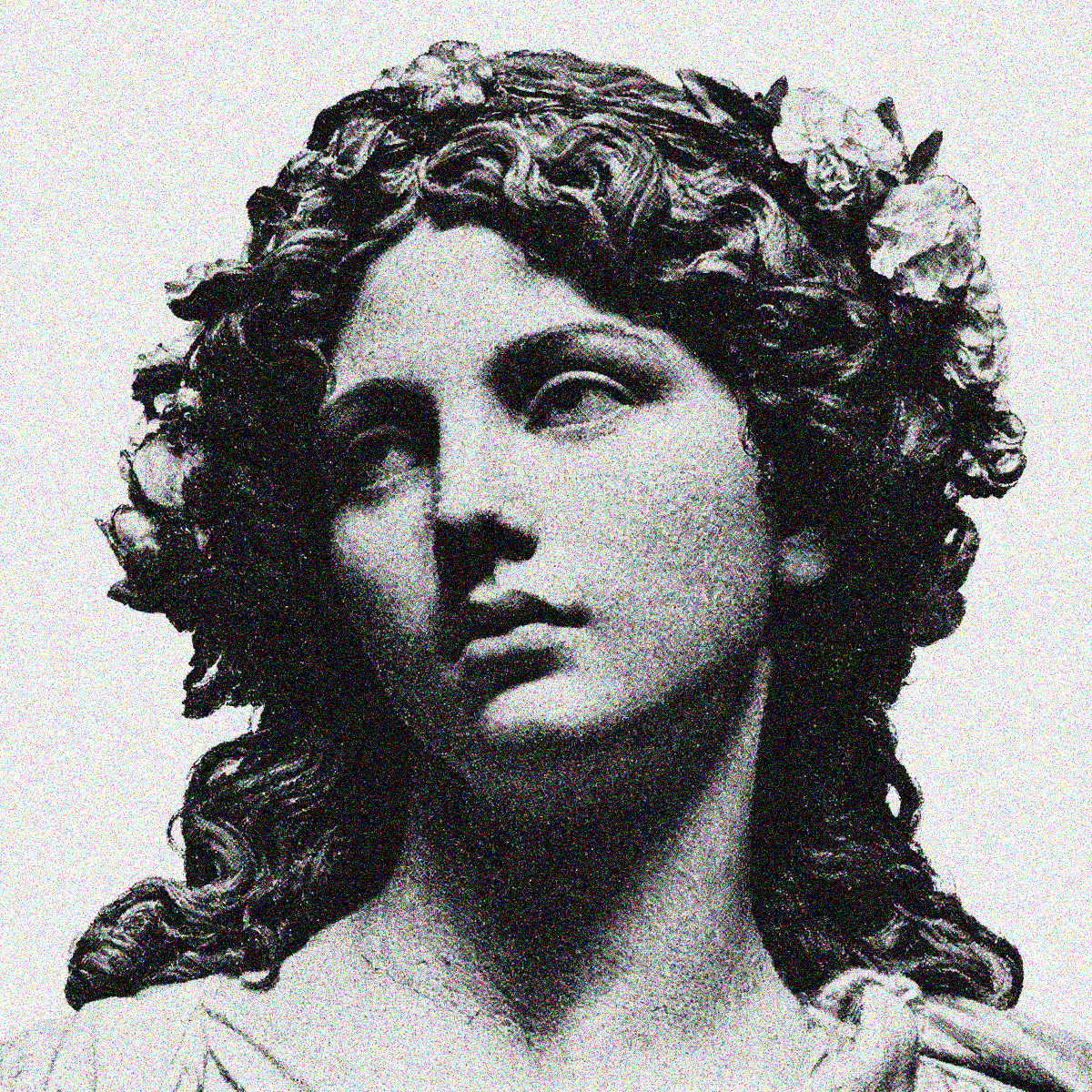
Mass is the visual weight of a form — the sense that an element in a picture occupies space with substance, density, or heft.
Mass is partly a matter of size and partly a matter of how a form is modelled: a small but heavily shadowed shape can carry more mass than a large pale one; a flatly coloured silhouette carries less mass than the same silhouette modelled with chiaroscuro. Description uses mass to talk about the weight relations of a composition — which forms anchor the picture, which sit lightly, which threaten to tip it. The term overlaps with volume but is not identical: volume names the sense of three-dimensional space a form occupies, while mass names how heavily it presses within the composition. A form can have volume without much mass, or mass without much volume.
See also
- volume — the related but distinct sense of three-dimensional space
- scale — what mass interacts with to set weight
- chiaroscuro — the modelling that most reliably produces mass