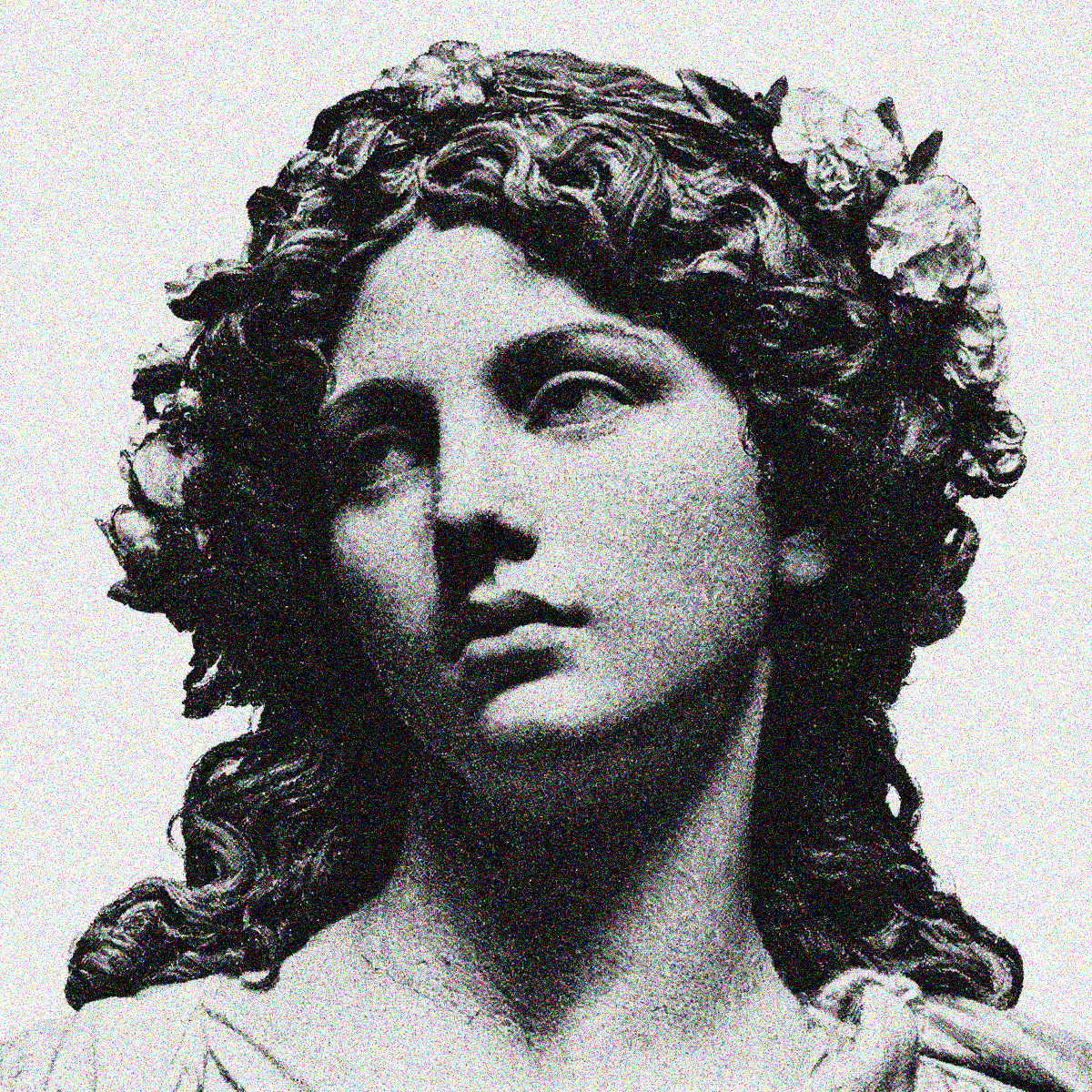
Volume is the illusion that a depicted form occupies three-dimensional space — that it has a back as well as a front, an inside as well as an outside, a roundness rather than just an outline.
Volume is constructed by modelling: gradations of light and shadow across the form, foreshortening, overlap of one part of a body over another. A well-modelled head reads as a sphere with features wrapping around it; a flatly drawn head reads as a disc. Description distinguishes pictures with strong volume (sculptural, modelled, weighty) from pictures that suppress volume (flattened, silhouetted, decorative). Volume is closely related to mass — both name a sense of substance — but volume is specifically the spatial reading: this form has dimension. A picture can refuse volume entirely without losing presence, but the absence is then itself one of the things to describe.
See also
- mass — the closely related sense of visual weight
- depth — the spatial dimension volume opens into
- chiaroscuro — the modelling technique volume most depends on