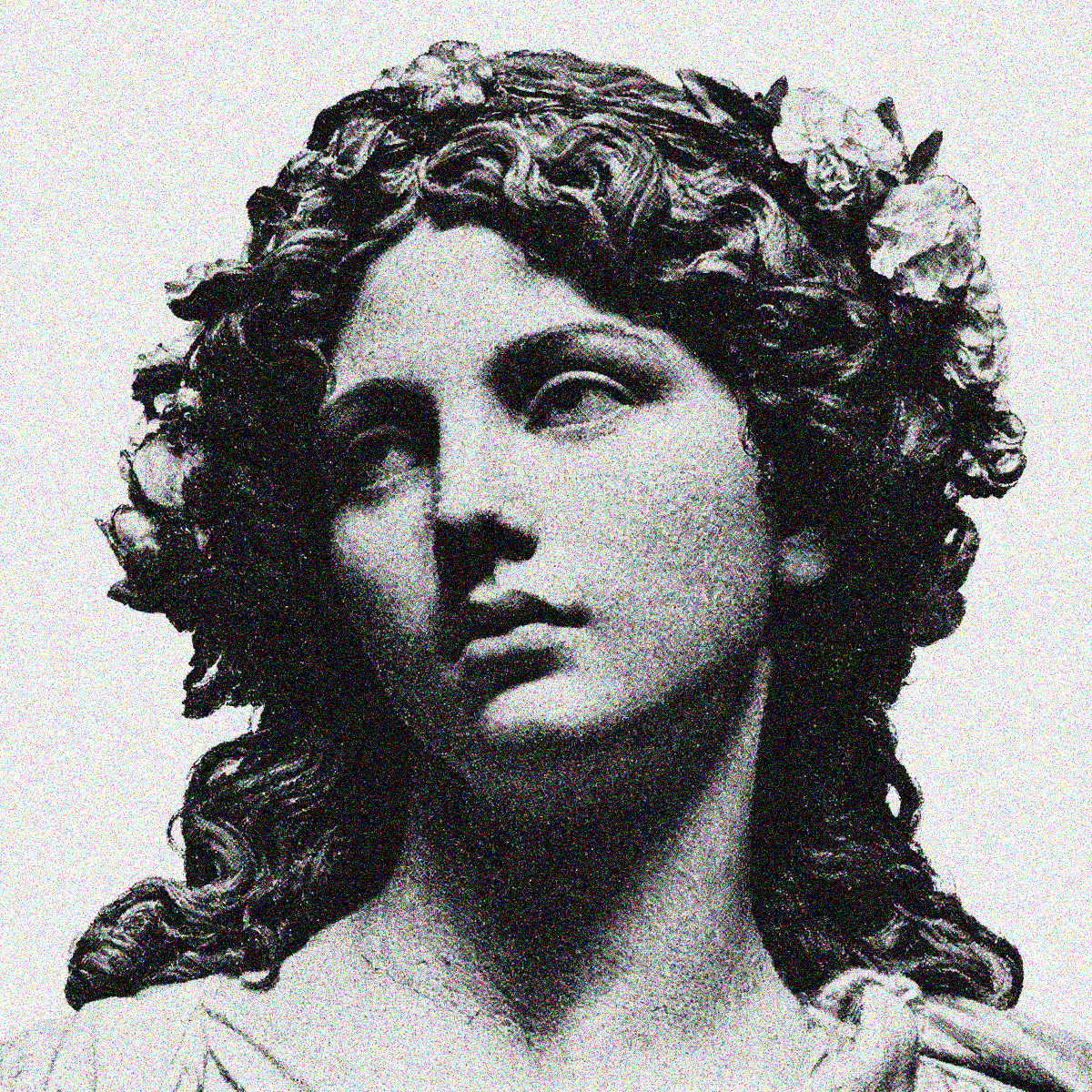
Chiaroscuro is the modelling of form through strong contrasts of light and shadow — the use of pronounced darks and lights to give figures volume and to organise pictorial space.
The Italian word means light-dark, and the term names both a technique (modelling with light) and a pictorial mood (deep shadows, sharp illumination). A chiaroscuro picture tends to read as theatrical: forms emerge from darkness, partially lit, with the unlit portions falling away into obscurity. Description distinguishes generalised chiaroscuro (any strong tonal modelling) from the sharper Italian seventeenth-century version associated with Caravaggio, where a single directed light isolates a figure against near-black ground (sometimes called tenebrism). Outside painting, the term carries over to drawing, photography, and film whenever lighting becomes the principal organising means.