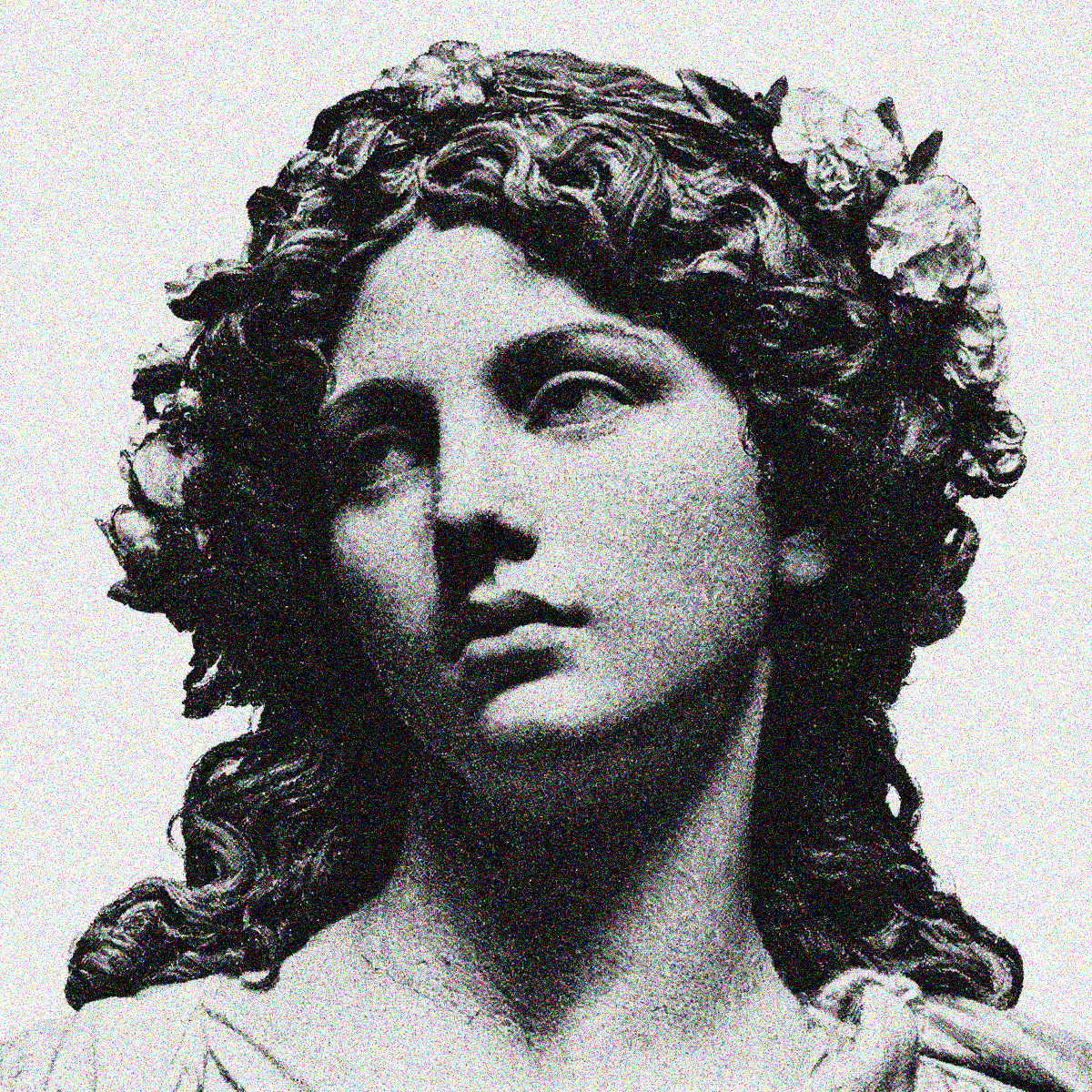
Contrast is the degree of difference between adjacent or compared elements in a picture — most often between light and dark values, but also between hues, temperatures, edges, scales, or textures.
High contrast produces sharp separations, clean silhouettes, and a quick read; low contrast produces soft transitions, atmospheric depth, and a slower, more even surface. Description distinguishes tonal contrast (light against dark) from colour contrast (complementary hues set against one another) from temperature contrast (warm against cool), and these can act in concert or in tension — a picture might be tonally low-contrast but chromatically high-contrast, for instance. Contrast is the principal device by which a picture organises emphasis: where the contrast is sharpest, the eye lands first.
See also
- chiaroscuro — the high-contrast tonal mode in particular
- tonality — the overall register contrast operates within
- palette — the set of hues whose contrasts are in play